
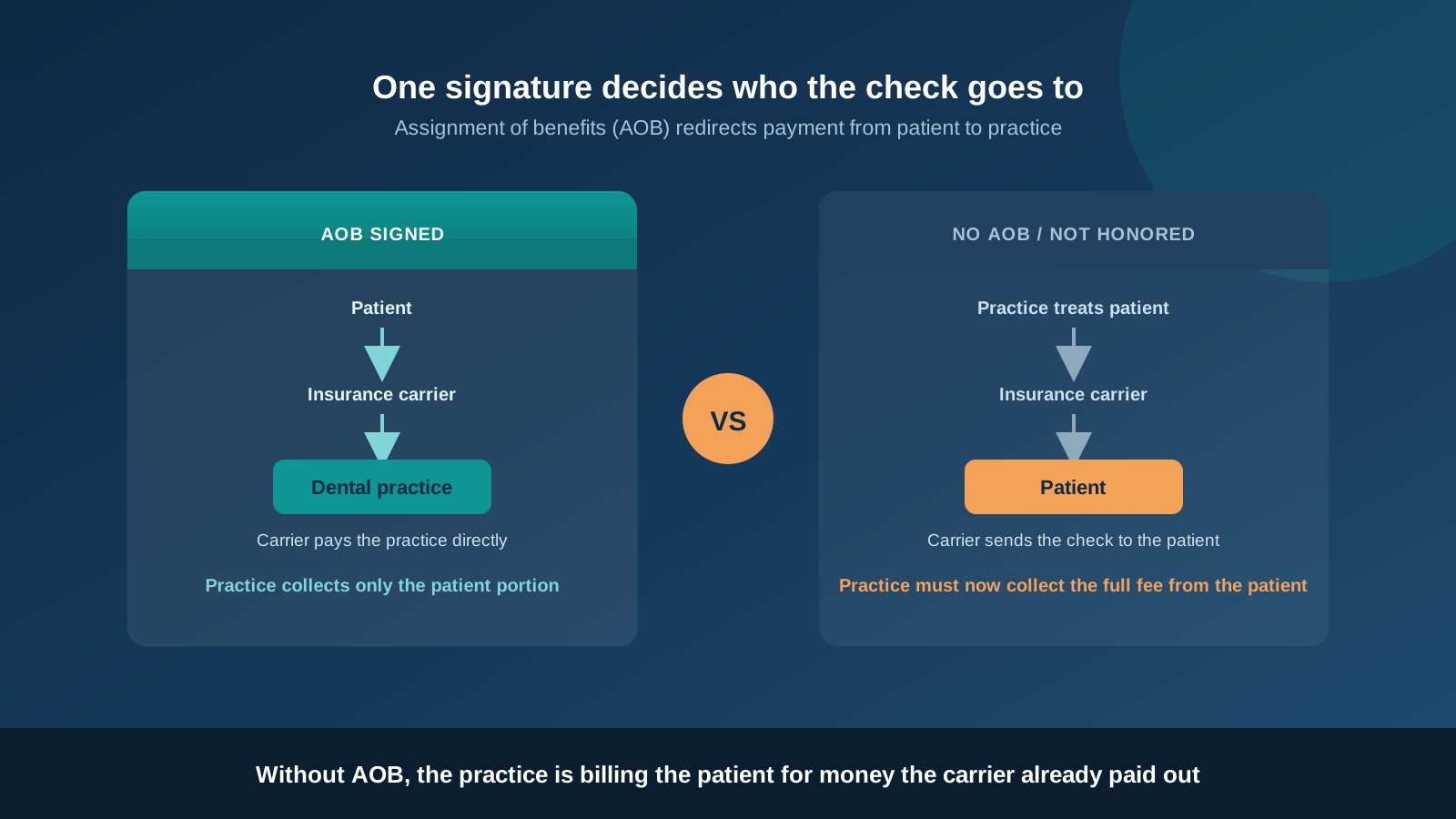
Most practices treat the assignment of benefits box on the patient intake form as paperwork — something the patient signs on the way to the operatory and nobody looks at again. But that one signature decides whether the insurance check lands in your office or in the patient's mailbox. Get it wrong, or bill a plan that doesn't honor it, and a claim that paid in full can still leave the practice chasing the exact same money from the patient.
What assignment of benefits actually does
Assignment of benefits is the patient's written authorization for their dental plan to pay the treating practice directly, rather than reimbursing the patient and leaving them to pay the practice out of pocket. It's usually a single checkbox or signature line buried in new patient paperwork, but it's doing real legal work: it redirects the insurance company's payment obligation from the policyholder to the provider.
For in-network claims, this rarely matters day to day. The participating provider agreement a practice signs with the payer already requires the payer to remit directly to the practice, AOB or not. Where it matters is everything outside that agreement — out-of-network claims, and a smaller but real slice of in-network claims where a payer's own processing defaults don't cooperate.
Where AOB breaks down in practice
A signed form on file doesn't guarantee the carrier will actually follow it. A few patterns show up repeatedly:
- Out-of-network claims paid to the subscriber anyway. Some carriers pay out-of-network benefits directly to the policyholder regardless of a signed AOB, specifically because it discourages members from seeing an out-of-network dentist. The practice ends up billed as paid on the insurance side, then still has to collect the full fee from a patient who may or may not have received the check yet.
- Self-funded ERISA plans set their own rules. Employer-sponsored self-funded plans aren't bound by state insurance law the way fully insured plans are, and the plan document — not the AOB form — controls whether assignment is honored for an out-of-network provider. Two patients with what looks like the same coverage can be paid two different ways.
- A missing or outdated form. If the AOB wasn't captured at intake, wasn't renewed after a plan year rolled over, or didn't make it onto the claim itself, some payers default to paying the subscriber even when the practice would otherwise have qualified for direct payment.
- State law varies on how much a carrier can restrict it. A number of states have passed laws requiring carriers to honor a valid AOB for out-of-network dental and medical claims, but not all states have, and enforcement varies. What worked with one payer in one state doesn't guarantee the next claim goes the same way.
Keeping it from stalling cash flow
The fix isn't complicated, but it has to happen before treatment, not after a check goes missing. Confirm assignment of benefits status during insurance verification for any out-of-network patient or unfamiliar plan — most eligibility calls or portals will disclose whether the payer pays the provider or the subscriber. Keep a current, signed AOB on file for every patient and make sure it's actually transmitted with the claim, not just filed in the chart. And build unassigned-benefit plans into the practice's financial policy up front: if a carrier is known to pay the patient directly, collect the estimated patient responsibility — or the full fee — at the time of service instead of waiting on a check that was never going to arrive at the practice. See our insurance and billing services for how we verify payment routing before a claim goes out, not after it comes back.
Frequently asked questions
What is assignment of benefits in dental insurance?
Assignment of benefits (AOB) is a patient's authorization for their dental insurance carrier to pay the treating practice directly instead of reimbursing the patient. Without it, the carrier is only obligated to pay the person who holds the policy.
Do all dental insurance plans honor assignment of benefits?
No. In-network claims are almost always paid directly to the practice under the payer's participating provider agreement, regardless of the AOB form. Out-of-network claims are a different story — some carriers, and some self-funded ERISA plans in particular, will pay the patient directly even with a signed assignment on file.
Why would an insurance carrier ignore a signed assignment of benefits form?
Some plan documents, especially self-funded employer plans governed by ERISA, give the plan administrator discretion over whether to honor an AOB for an out-of-network provider. Paying the patient directly reduces the plan's incentive for members to use out-of-network dentists, so some carriers pay the subscriber even when a valid assignment is on file.
What should a practice do if the insurance check went to the patient by mistake?
Flag the account immediately, confirm the payment amount from the EOB, and collect the full billed amount directly from the patient rather than waiting for them to forward the insurance check. A clear financial policy signed at the first visit makes this collection conversation far easier.
Should a dental practice verify assignment of benefits before every appointment?
For out-of-network patients and any plan the practice hasn't billed before, yes. Confirming during eligibility verification whether the plan will pay the practice directly avoids a surprise weeks later when a check that should have arrived in the office shows up in the patient's mailbox instead.
Stop chasing money the carrier already paid out
Dental Claim Professionals verifies payment routing and assignment of benefits status before claims go out, so your team isn't caught collecting twice for the same procedure.
Book a Free Consultation