Every dental practice runs into it eventually: a claim goes out with a procedure code that worked fine last month, and it bounces back rejected — not denied, rejected, like the code doesn't exist. Usually it doesn't, not anymore. The CDT (Current Dental Terminology) code set that dental claims run on is revised every year, and the changes take effect on a fixed date whether or not a practice's software, fee schedules, and staff are ready for them.
How the annual update cycle actually works
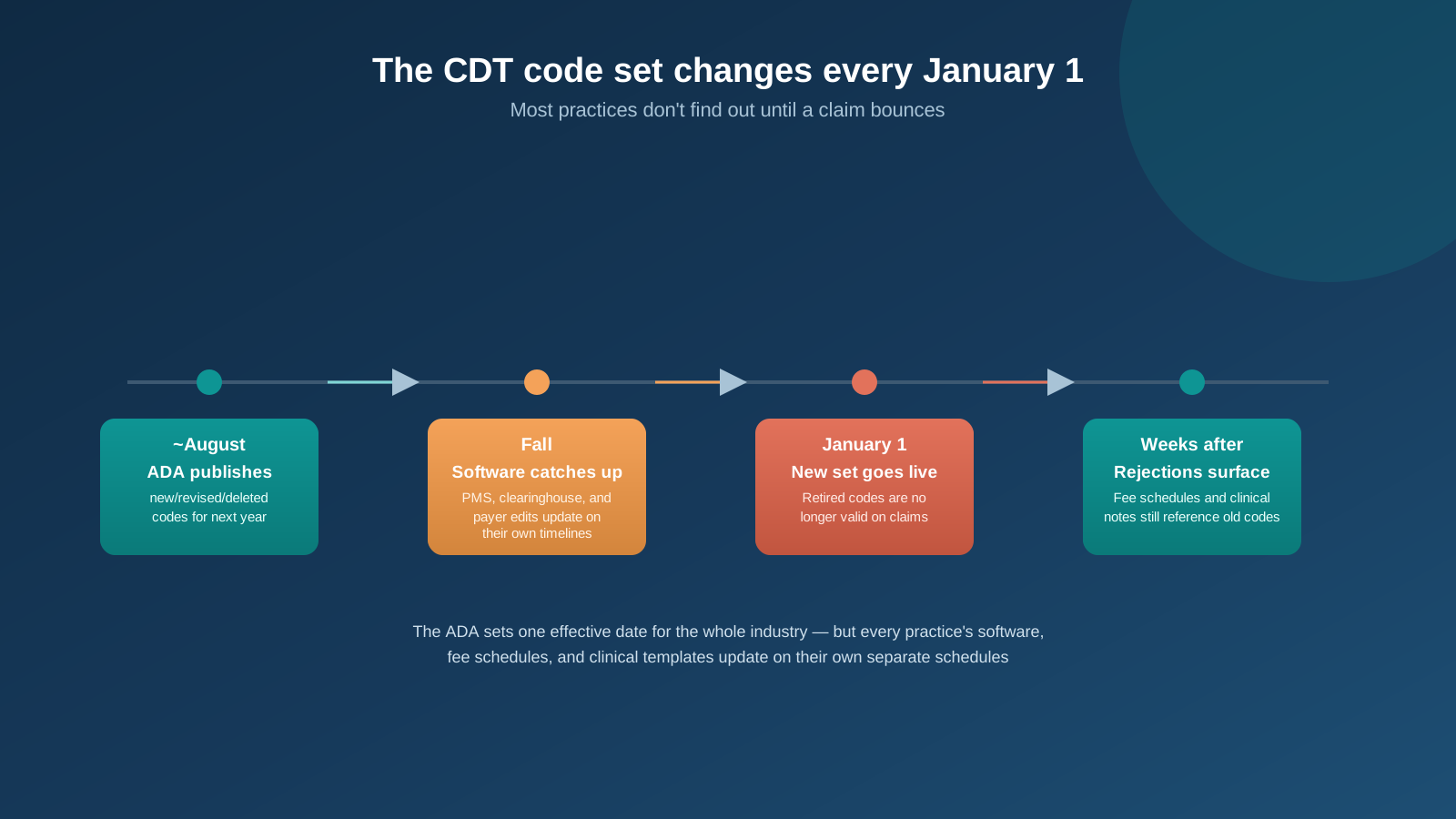
The American Dental Association maintains the CDT code set and reviews it annually, adding codes for procedures that didn't previously have one, revising the descriptors on existing codes, and retiring codes that are no longer needed. The updated code set is typically published well ahead of the new year, but the changes themselves aren't live for billing purposes until January 1 — a single effective date that applies across the entire industry regardless of how ready any individual practice happens to be.
That single effective date is the easy part. What trips practices up is everything downstream of it: the practice management system has to ship an update that loads the new codes, the clearinghouse and each payer have to update their own claim-edit logic to recognize them, and the practice itself has to update fee schedules, favorites lists, and any clinical documentation templates that reference a code by number. None of those things happen on the ADA's calendar — they happen on their own separate calendars, and the gaps between them are where claims start failing.
Where practices fall behind
A few specific failure points show up year after year:
- Retired codes linger in the favorites list. Front desk and clinical staff often select codes from memory or a pinned shortlist. A code that was deleted January 1 can keep getting selected out of habit well into the new year if nobody pulls it from that list.
- Fee schedules lag behind new codes. A brand-new code with no corresponding fee schedule entry either blocks the claim from going out or, depending on the software, submits it priced at zero — which either way delays payment while someone tracks down the right fee.
- Revised descriptors change documentation requirements. When a code's official descriptor changes, the clinical narrative or attachment a payer expects to support it can change too, even though the code number stayed the same. Claims that would have been clean the year before start coming back asking for more documentation.
- Clearinghouse and payer edits update on their own schedule. Even after a practice bills correctly with the new code, a clearinghouse or payer whose own systems haven't finished updating can still reject or misprocess it — a timing gap that's outside the practice's control but still shows up as its problem in the A/R report.
Getting ahead of it before January 1
The practices that get through the update cleanly treat it as a fall project, not a January surprise. That means confirming the practice management vendor's update timeline as soon as the new code set is published, cross-checking the fee schedule and every favorites or quick-pick list against the new and retired codes before the first claims of the new year go out, and briefing both clinical and front desk staff on any descriptor changes that affect documentation. It also means watching the first few weeks of January closely — reconciling what was actually submitted against what the clearinghouse and payers accepted, rather than assuming a claim went through just because it was sent. See our insurance and billing services for how we handle code-set transitions across every carrier a practice bills.
Frequently asked questions
When does the new CDT code set take effect each year?
The American Dental Association publishes revisions to the CDT (Current Dental Terminology) code set on its own annual cycle, with new, revised, and deleted codes taking effect January 1. The updated manual is typically released months ahead of that date, but the codes themselves aren't valid for billing until the new year begins.
What happens if a practice bills a deleted CDT code after January 1?
A retired code submitted after its effective end date is typically rejected outright by the clearinghouse or payer, rather than processed and denied. That rejection doesn't show up as a normal claim denial in most reporting, so it can sit unnoticed until someone reconciles the day's submissions against what actually reached the payer.
Do all practice management systems update CDT codes automatically?
No. Most practice management systems require a software update or patch to load the new code set, and that update ships on the vendor's own schedule, not the ADA's. Fee schedules, clinical note templates, and treatment plan presenters that reference specific codes by number often need a separate manual update even after the software patch is applied.
Where do CDT code changes most often cause claim problems?
The most common breakdowns are: a deleted code still sitting in a fee schedule or favorites list and getting selected out of habit, a revised code descriptor changing what documentation a payer expects, and a brand-new code with no fee schedule entry yet, which either blocks submission or goes out priced at zero.
How far in advance should a practice prepare for the CDT update?
Most practices should start in the fall — confirming the practice management vendor's update timeline, cross-checking fee schedules and favorites lists against the new code list once it's published, and briefing clinical and front desk staff before the first claims of the new year go out January 1 or 2.
Don't let a code-set transition slow down January's claims
Dental Claim Professionals tracks payer and clearinghouse code updates across every carrier a practice bills, so the new year's claims go out clean instead of bouncing back rejected.
Book a Free Consultation