
Every practice verifies insurance. Far fewer verify it completely. A green “active” status on a payer portal feels like an answer, so the front desk moves on, the treatment plan gets a patient estimate, and the gaps stay hidden until the claim comes back paid at a different amount than quoted. By then the patient has already left, and the difference lands on the practice as a write-off or an awkward balance bill.
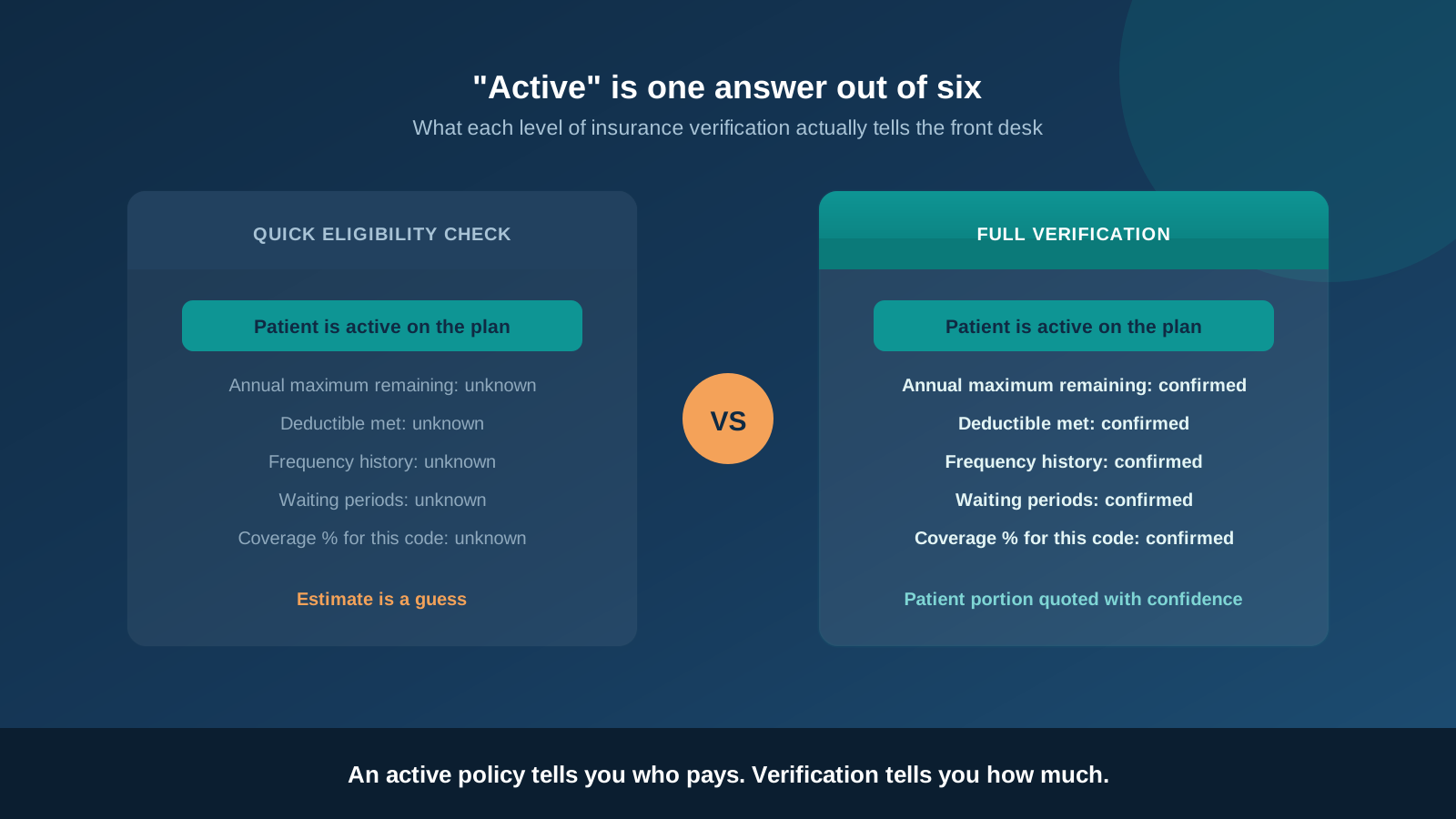
Eligibility and benefits are two different questions
Eligibility confirms the patient is active on the plan on the date of service, and that is all it confirms. Benefits verification is the work that turns that status into a usable estimate: the annual maximum remaining, whether the deductible has been met, the coverage percentage for the specific procedure category, and any limits that apply to the code being billed.
Treating the two as the same task is where most estimate errors begin. A patient can be fully active and still have an exhausted annual maximum, an unmet deductible, or a waiting period that excludes the planned crown. None of that shows up in a basic eligibility response.
Where verification gaps hide
The details a quick check skips are the same ones that cause the most denied or reduced claims:
- Frequency and history. Payers limit how often a service is covered, such as prophylaxis, bitewings, or crowns on the same tooth. Portals often don't show what the patient's prior dentist already billed, so a covered-looking service can deny for frequency.
- Waiting periods. New enrollees may be active for months before basic or major services are covered. Eligibility says active; the waiting period says not yet.
- Downgrades and alternate benefits. Some plans pay for a lower-cost alternative, such as an amalgam in place of a composite, so the quoted coverage percentage applies to a smaller fee than the one the practice charges.
- Plan year rollover. Deductibles reset and maximums refresh, and employers change plans at renewal. Information verified in November can be wrong in January.
- Coordination of benefits. A patient with two plans needs both verified, along with which one is primary, or the estimate will be wrong in both directions.
Building a verification process that holds up
Complete verification doesn't require more time so much as a consistent checklist. Verify at scheduling, then confirm again a few days before the appointment so plan changes and recently used benefits are caught. Use the payer portal for the basics, and call the payer or request a predetermination when treatment is high-dollar or involves limits the portal doesn't display. Document the date, the method, the representative's reference number, and each benefit confirmed, so there is a record if the payer later processes the claim differently than quoted.
Finally, present the estimate as an estimate. Patient-facing language that explains the quote is based on verified benefits, but is not a guarantee of payment, keeps trust intact when a claim does process differently. Our insurance verification services cover this full checklist before the patient is ever seated.
Frequently asked questions
What is the difference between eligibility and benefits verification in dental insurance?
Eligibility confirms the patient is active on the plan on the date of service. Benefits verification goes further and confirms the annual maximum remaining, deductible status, coverage percentages, frequency limits, waiting periods, and any exclusions that apply to the planned procedure.
When should a dental practice verify insurance?
Verify when the appointment is scheduled, then re-check a few days before the visit, especially for new patients, major treatment, and any patient whose plan may have renewed. Coverage can change between scheduling and treatment.
Why does insurance verification matter for treatment planning?
Patient portion quotes drive case acceptance and collections. If the estimate is built on an incomplete verification, the difference shows up later as a balance bill the patient didn't expect, or as a write-off the practice absorbs.
Is the payer portal enough to verify dental benefits?
Portals are a good starting point and are fast for basic eligibility, but they often omit frequency history, downgrade clauses, and waiting periods. For complex or high-dollar treatment, a call to the payer or a predetermination fills the gaps.
What should be documented after verifying benefits?
Record the date, the method used, the payer representative's name or reference number, and every benefit detail confirmed. That record is what protects the practice if the payer later processes a claim differently than quoted.
Quote patient portions you can stand behind
Dental Claim Professionals completes full benefits verification before treatment, so your estimates match what the payer actually pays.
Book a Free Consultation