Not every dental procedure belongs on a dental claim. When treatment addresses trauma, pathology, sleep apnea, TMJ dysfunction, or another underlying medical condition, the patient's medical plan is often the correct payer — sometimes the only payer, and sometimes the primary one with dental picking up what's left. Practices that never bill medical insurance for these cases aren't being cautious; they're leaving reimbursement on the table for work they're already documenting and performing.
The reverse mistake is just as common: submitting a cross-coded claim without the paperwork a medical payer actually requires, which is why these claims bounce far more often than routine dental ones. The fix isn't complicated once the underlying logic is clear — it's a different form, a different code set, and one extra question asked before treatment instead of after the denial.
Which dental procedures actually qualify for medical billing
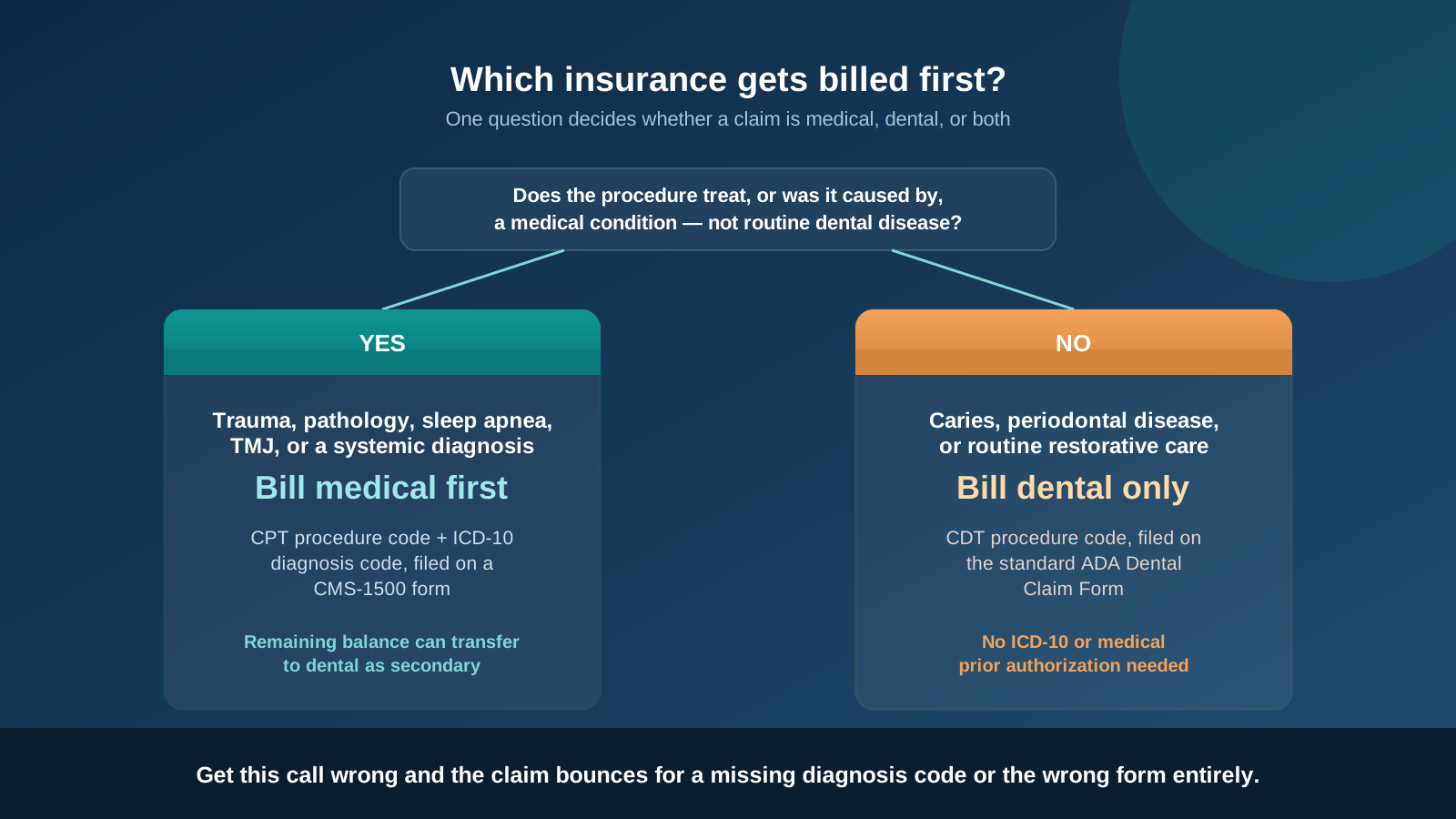
The test isn't the CDT code being performed — it's the reason treatment is happening. If the primary purpose is treating a medical diagnosis rather than routine dental disease like caries or periodontitis, the claim usually belongs on the medical side, at least in part. Procedures that commonly qualify include:
- Traumatic injury to teeth, the jaw, or surrounding soft tissue from an accident or fall.
- Oral pathology — biopsies, excisions of cysts or tumors, and related follow-up care.
- Sleep apnea oral appliances, prescribed and diagnosed through a sleep study, not requested by the patient directly.
- TMJ/TMD treatment, including splints and appliances tied to a documented joint diagnosis.
- Medically necessary extractions required before radiation therapy, chemotherapy, or an organ transplant.
- Reconstructive procedures following tumor removal or facial trauma, including implants placed for a non-dental medical reason.
Routine restorative work — fillings, crowns for decay, cleanings, extractions for periodontal disease — stays on the dental side even when it's clinically complex. The line is medical necessity tied to a diagnosis, not procedure difficulty or cost.
How a medical claim differs from a dental one
A cross-coded claim doesn't just add a code — it changes the entire submission. Medical claims are filed on the CMS-1500 form rather than the ADA Dental Claim Form, and they require a CPT procedure code paired with an ICD-10 diagnosis code that establishes why the treatment was medically necessary. A CDT code and a chart note aren't enough on their own; the diagnosis code is what the medical payer's adjudication actually runs on.
Documentation expectations shift too. Instead of x-rays and a narrative written for a dental reviewer, medical claims typically need referral or consult notes, a documented diagnosis, and — for procedures like sleep apnea appliances or TMJ splints — a sleep study or specialist evaluation on file before the claim is even submitted. Many medical plans also require prior authorization before treatment, the same way a dental predetermination works, except skipping it here is far more likely to result in an outright denial rather than just an unconfirmed estimate.
When both plans apply, the sequencing looks like standard coordination of benefits: medical is billed first for the medically necessary portion, and any remaining balance that's separately eligible under the dental plan is submitted to dental as secondary — never the full charge to both.
Where cross-coded claims go wrong
Most denials on cross-coded claims trace back to a small set of recurring mistakes:
- A missing or mismatched ICD-10 code. A CPT code without a diagnosis code that supports it is the single most common reason medical claims get rejected outright.
- Assuming the dental clearinghouse carries medical claims too. Many practices are enrolled with a clearinghouse for dental transactions only; medical claims often need a separate connection or payer ID, and a claim can sit unsubmitted without anyone noticing.
- Skipping prior authorization. Sleep apnea appliances and TMJ treatment are the procedures most often billed without it, and most medical plans won't pay retroactively once treatment is already delivered.
- Double billing the same charge. Submitting the identical amount to both medical and dental instead of coordinating which plan owes what is a compliance risk, not just a billing error.
None of this requires a separate medical billing department — it requires the front desk asking one extra question during intake (is there a medical reason for this procedure?) and a billing process built to route the answer correctly. See our dental insurance billing services for how we handle medical cross-coding alongside routine dental claims.
Frequently asked questions
What is medical cross-coding in dental billing?
Medical cross-coding is billing a dental procedure to a patient's medical insurance instead of, or in addition to, their dental plan, when the procedure treats or was caused by a medical condition rather than routine dental disease. It uses CPT procedure codes and ICD-10 diagnosis codes on a CMS-1500 form instead of CDT codes on the ADA Dental Claim Form.
Which dental procedures are usually eligible for medical insurance billing?
Common examples include treatment for traumatic injury to the mouth or jaw, biopsies and oral pathology, sleep apnea oral appliances, TMJ/TMD treatment, medically necessary extractions before radiation, chemotherapy, or organ transplant, and reconstructive work following tumor removal. The deciding factor is whether the underlying reason for treatment is a medical diagnosis, not caries or periodontal disease.
Can a practice bill both medical and dental insurance for the same procedure?
Yes, but not for the same charge twice. The medical plan is typically billed first as primary for the medically necessary portion, and any remaining, dental-plan-eligible balance is then submitted to dental insurance as secondary, coordinated the same way a balance transfers between two dental plans.
Does medical cross-coding require prior authorization?
Often, yes. Many medical plans require prior authorization for procedures like sleep apnea oral appliances or TMJ treatment before the appointment, not after treatment is already complete, so eligibility and authorization should be confirmed the same way a dental predetermination would be.
Why do cross-coded claims get denied more often than routine dental claims?
The most common reason is a missing or mismatched ICD-10 diagnosis code, since a CPT procedure code alone rarely establishes medical necessity on its own. Submitting through a clearinghouse connection that isn't actually enrolled to carry medical claims, or skipping a required prior authorization, are the next most common causes.
Stop leaving medical-eligible claims on the dental side
Dental Claim Professionals identifies which procedures qualify for medical cross-coding and handles the CPT/ICD-10 submission alongside your routine dental billing.
Book a Free Consultation