
A claim that was submitted and never paid is one of the most expensive items in a dental practice, because no one is looking at it. It will not trigger a denial letter or a patient complaint. It simply ages until the payer's filing and appeal windows close. A weekly, disciplined review of your insurance aging report is the cheapest way to keep that from happening.
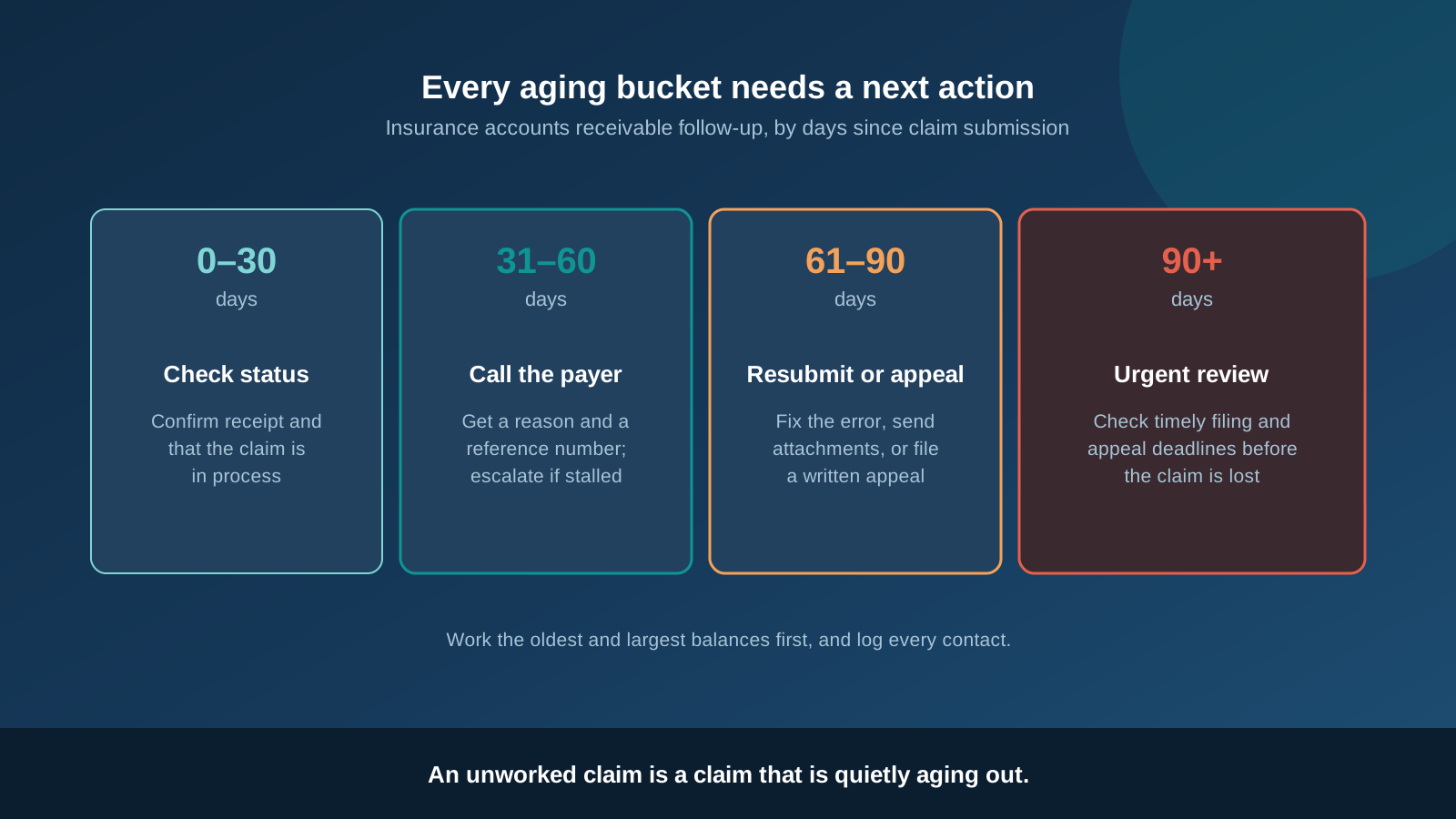
Read the aging report like a work queue
An insurance aging report groups outstanding claims by the number of days since submission: 0-30, 31-60, 61-90, and 90-plus. Most teams only glance at the totals. The better habit is to treat each line as a task. Sort by balance and age, and make sure the report shows insurance balances separately from patient balances, since they need different follow-up.
Two numbers are worth tracking monthly. The first is the percentage of insurance receivables older than 90 days, which a healthy practice keeps in the single digits to low teens. The second is the number of claims with no activity logged in the past 30 days. If that count is not zero, claims are being forgotten. Our post on payment posting explains why accurate posting keeps this report trustworthy in the first place.
Set a rule for every bucket
Follow-up works when the next step is decided in advance:
- 0-30 days: Confirm the payer received the claim, using the clearinghouse acceptance report or the payer portal. A rejected claim never entered adjudication, so it should be fixed and resubmitted immediately.
- 31-60 days: Check status and call if there is no payment or denial. Ask for the processing stage, the reason for any delay, and a call reference number. Request a named contact for anything that stalls.
- 61-90 days: The claim needs a decision. Correct and resubmit it, attach missing documentation (see claim attachments and narratives), or begin a written appeal.
- 90-plus days: Review immediately against the payer's timely filing limit and appeal deadline. Pull proof of original submission while it is still retrievable.
Build a habit that survives a busy week
Block a fixed hour each week for follow-up and protect it. Log every call with the date, representative name, reference number, and promised next step, so the next person does not start from zero. Work the largest and oldest balances first, and group calls by payer to avoid re-navigating the same phone menus.
Patterns matter as much as individual claims. If one payer accounts for most of your 60-day balances, the cause may be a credentialing gap, a missing attachment on a procedure type, or a clearinghouse problem, and fixing the cause beats chasing each claim. Many practices find that dedicated billing support pays for itself here, and our insurance billing and follow-up services are built around exactly this routine.
Frequently asked questions
What is a dental insurance aging report?
A report that groups unpaid insurance claims by days since submission, usually 0-30, 31-60, 61-90 and 90+, so staff can see which claims need follow-up first.
How long should I wait before following up on a dental claim?
Most payers process clean electronic claims within 14 to 30 days. Check status at about 14 days and call by day 30 if there is no payment or denial.
What percentage of receivables should be over 90 days?
Many benchmarks suggest keeping insurance receivables over 90 days under 10 to 12 percent of the total. A rising share means follow-up is falling behind.
Should I follow up by phone or portal?
Start with the payer portal or an electronic status check. Call when the portal shows no record, the status is stalled, or you need a reference number and a named contact.
What if a claim is past the timely filing limit?
If the payer never received it, you may be out of luck, but proof of timely submission such as a clearinghouse acceptance report can support an exception request.
Stop letting claims age out
Dental Claim Professionals works your aging report every week, so unpaid claims get paid before deadlines expire.
Book a Free Consultation