
On an aging report, a claim that was rejected and a claim that was denied look the same: unpaid. They are not the same problem. A rejection means the claim never made it into the payer's adjudication system, so as far as the payer is concerned, it was never filed. A denial means the payer received the claim, reviewed it, and decided not to pay. Treating one like the other wastes staff time and, worse, can push a claim past its timely filing deadline.
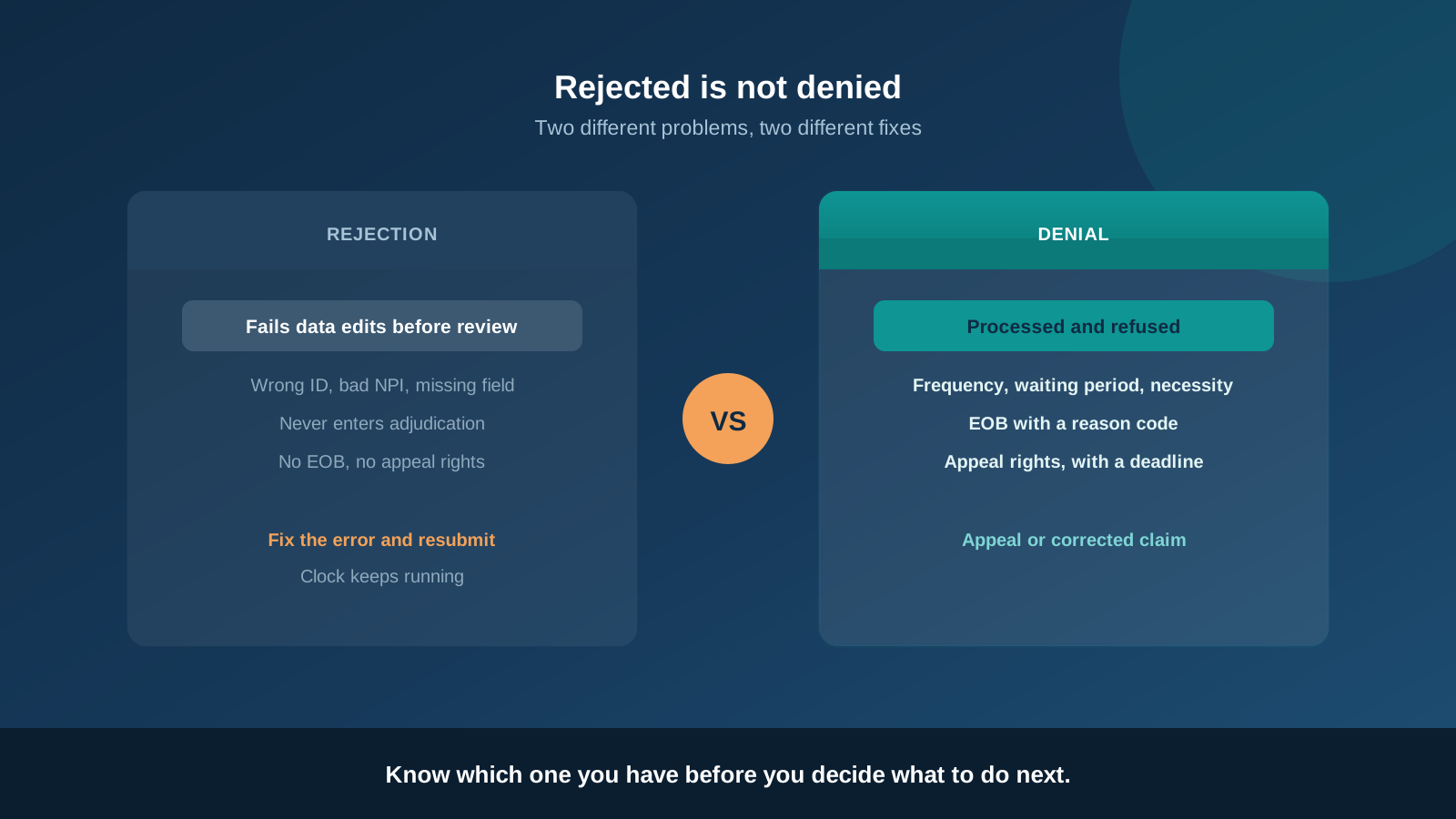
Rejections: fix it and send it again
Rejections happen at the front door. The clearinghouse or payer runs automated edits, and a claim that fails them is bounced back, usually within a day or two, with an error message. There is no EOB, no claim number in the payer's system, and no appeal right, because no decision was made. The most common causes are simple data errors:
- Subscriber details. A misspelled name, wrong date of birth, or incorrect member ID, often because the patient's card changed at renewal.
- Provider identifiers. A missing or mismatched NPI or tax ID, or a billing provider not yet loaded with the payer. This overlaps with credentialing delays.
- Procedure data. A missing tooth number, surface, or quadrant, or a code that is invalid for the date of service, a frequent problem right after the annual CDT update.
- Wrong payer ID. The claim was routed to the wrong carrier or the wrong plan within a carrier.
The fix is to correct the error and resubmit. The catch is that rejected claims are invisible if no one reads the clearinghouse report. A claim can sit rejected for weeks while the practice assumes it is pending at the payer.
Denials: read the reason code, then choose a path
A denial is a decision. The payer processed the claim and issued an EOB or ERA with a reason code. Typical reasons include frequency limitations, waiting periods, missing tooth exclusions, lack of documented necessity, or a service already paid under another code. Resubmitting the same claim unchanged will usually produce the same denial, and may be flagged as a duplicate.
What to do depends on why it was denied:
- Billing error on your side. If the wrong code, tooth, or date was submitted, send a corrected claim that references the original claim number.
- Missing information. If the payer lacked a radiograph or narrative, resubmit with the attachments and narrative included.
- Payer error or disputed necessity. File a formal appeal with the clinical evidence and the plan language that supports payment.
- Valid denial. If the benefit truly doesn't apply, post the adjustment correctly and bill the patient only where the contract allows.
Track the clocks and fix the upstream causes
Two deadlines matter. The timely filing limit runs from the date of service, and a rejected claim does not stop it. A resubmission that arrives after the limit is denied no matter how clean it is. Appeal deadlines run separately from the denial date and are typically much shorter than people expect, so calendar them when the denial posts.
The best way to reduce both problems is upstream. Verify eligibility and subscriber details before the appointment, scrub claims for missing fields before they are sent, review the clearinghouse rejection report every day, and categorize denial reasons monthly to find patterns by payer or procedure. Our dental insurance billing team works rejections the day they arrive and tracks every denial to a resolution.
Frequently asked questions
What is the difference between a rejected and a denied dental claim?
A rejected claim failed front-end data edits at the clearinghouse or payer, such as a wrong member ID or missing field, and was never processed. A denied claim was processed and the payer decided not to pay, and it comes with an EOB and reason code.
Do rejected claims have appeal rights?
No. Because a rejected claim never entered adjudication, there is nothing to appeal. You correct the error and resubmit it as a new claim, but the original timely filing deadline still applies.
How long do I have to appeal a denied dental claim?
It varies by payer and plan, commonly 60 to 180 days from the denial date. Check the EOB or provider manual and calendar the deadline the day the denial posts.
Why was my dental claim rejected by the clearinghouse?
The most common causes are an incorrect subscriber ID or date of birth, an invalid or missing NPI or tax ID, a missing tooth number or surface, and a payer ID that doesn't match the patient's plan.
How can a practice reduce rejections?
Verify eligibility and subscriber details before the visit, run claim scrubbing in the practice management software, and review the clearinghouse rejection report every day so no claim sits unseen.
Stop losing claims in the gap
Dental Claim Professionals works rejections daily and follows every denial through to payment, so claims don't age out unseen.
Book a Free Consultation