
Every fall, patients with accepted treatment plans put off scheduling, and every January, many of them learn that benefits they paid for are gone. Most dental plans carry an annual maximum that resets at the start of the plan year with no rollover. A structured year-end outreach program helps patients get care they need, and it fills your schedule in what is often a slower quarter.
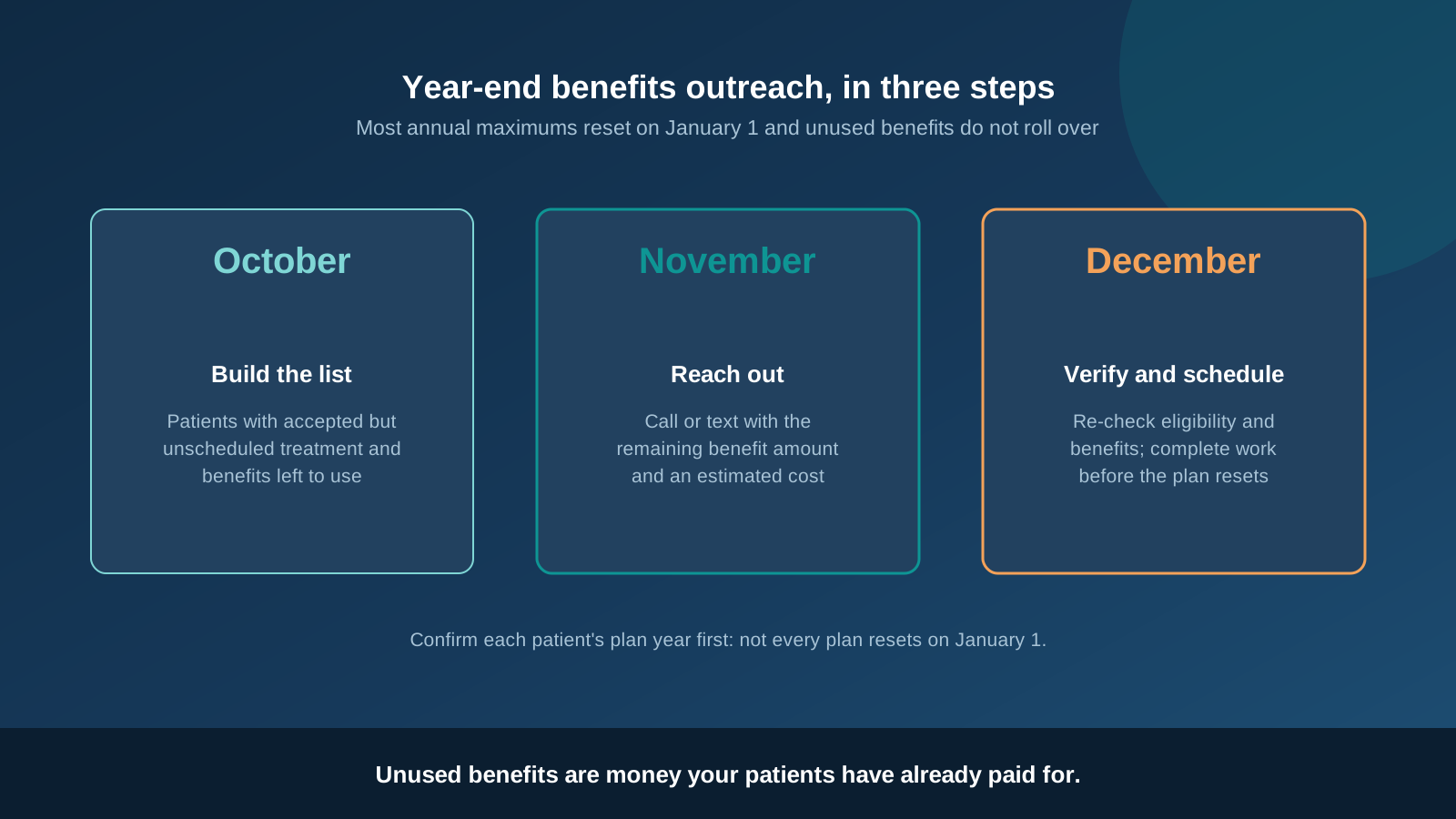
Build the list in October
Start with your practice management report of accepted but unscheduled treatment, then narrow it to patients who still have benefits to use. Sort by remaining benefit and treatment value so the highest-impact conversations happen first. Patients who have not met their deductible deserve a note too, since a deductible that resets in January is an extra out-of-pocket cost next year.
Verify before you promise anything. A remaining-benefit figure on a payer portal can be out of date, because claims still in process are not yet counted. Our post on annual maximums explains why that number is never fixed, and eligibility verification covers the checks to run for each patient.
Contact patients with real numbers
Generic "use your benefits" blasts get ignored. A message that names the patient's remaining amount, the recommended treatment, and the estimated patient portion gets a response. Keep the tone helpful, not salesy:
- Lead with the deadline. State the date the plan year ends, after confirming it. Not every plan resets on January 1.
- Give a clear estimate. Include the insurance portion and the patient portion, and note that final amounts depend on the payer. See contractual write-offs for how to quote in-network fees accurately.
- Explain limits that matter. Waiting periods and frequency limitations can change what a patient can do before year-end.
- Make scheduling easy. Offer two specific appointment times rather than asking the patient to call back.
Recommend treatment on clinical need only. Benefits are a reason to schedule necessary care sooner, never a reason to add procedures that are not indicated.
Protect collections on the back end
A busy December produces a spike of claims, and a spike of claims produces errors. Re-verify benefits a few days before each appointment, since earlier visits may have used more of the maximum than expected. Submit claims the day of service, attach documentation for crowns and periodontal treatment (see claim attachments and narratives), and collect the patient portion at the visit. Benefits apply by date of service, so work finished in the plan year uses that year's maximum, but claims still need to go out within timely filing limits.
In January, review what was left unused and which patients declined. Those notes become your starting list for next year, and a practice that does this annually builds a predictable fall schedule. If your front office lacks the time to verify and follow up at this volume, our insurance billing services take that work on.
Frequently asked questions
When do dental insurance benefits reset?
Most plans reset on January 1, but employer plans can run on a fiscal or contract year. Check each patient's plan year before telling them a deadline.
Do unused dental benefits roll over?
Usually not. Most dental plans have an annual maximum that resets at the start of the plan year, and unused amounts are forfeited. A few plans offer limited carryover for patients who meet certain visit requirements.
Should treatment be rushed to use up benefits?
No. Recommend treatment based on clinical need and timing. Benefits are a reason to schedule necessary care sooner, not to add procedures that are not indicated.
When should year-end outreach start?
Begin in October. Patients need time to schedule, and offices fill quickly in November and December, so starting early protects both the patient's benefits and your schedule.
What if a claim is not processed before the plan year ends?
Benefits are applied based on the date of service, not the processing date, so work completed in the plan year uses that year's maximum. Submit claims promptly to stay within timely filing limits.
Make this year-end your most organized yet
Dental Claim Professionals verifies benefits and files clean claims so your year-end schedule turns into paid claims.
Book a Free Consultation