
Medicare's annual enrollment period runs from October 15 to December 7, and many seniors choose a Medicare Advantage plan partly for the dental benefit. Original Medicare generally does not cover routine dental care, so those plans are often the only dental coverage an older patient has. Expect new faces in January, and expect their coverage to look nothing like a standard commercial dental plan.
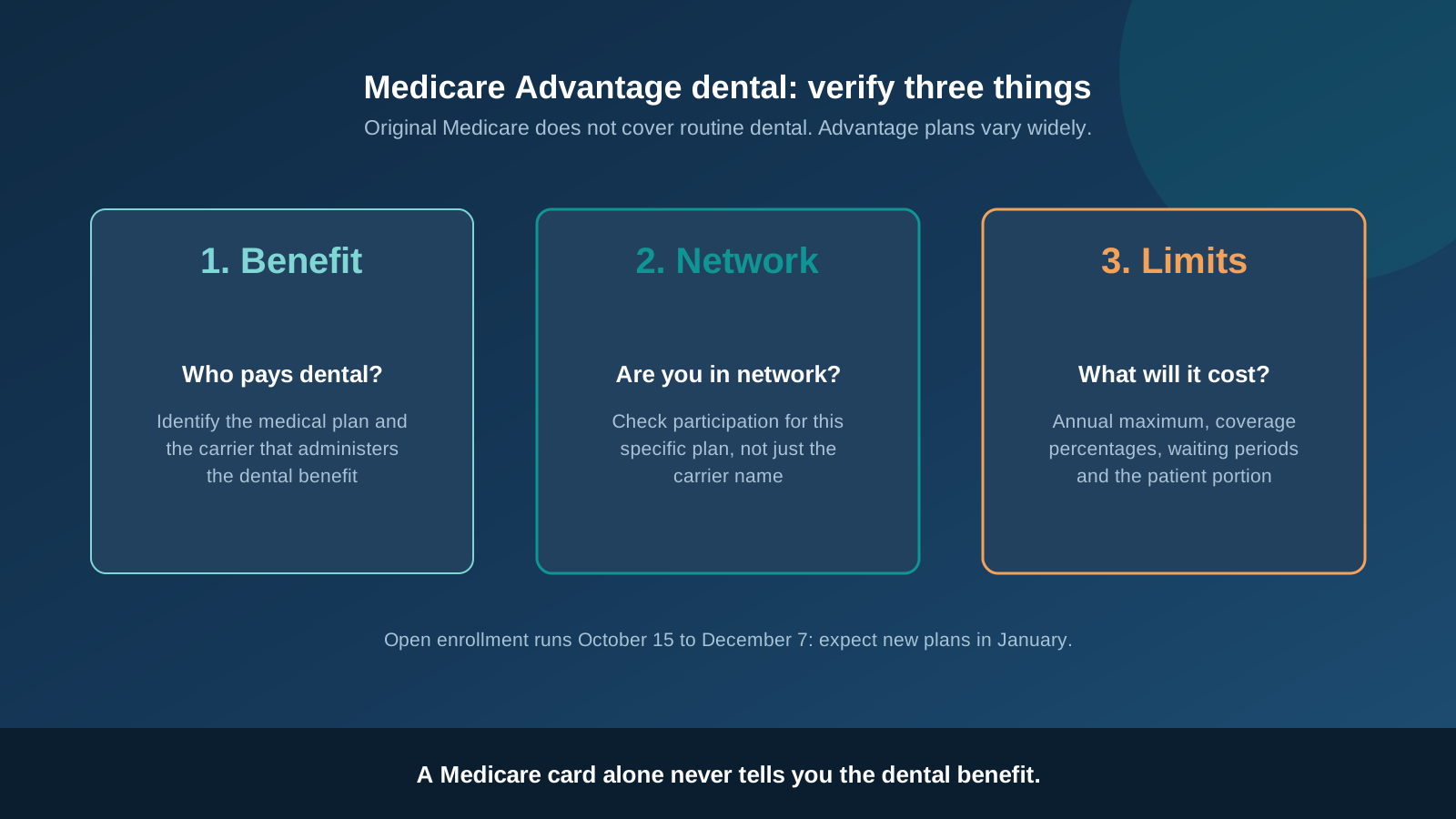
Confirm who actually pays for dental
A red, white and blue Medicare card tells you nothing about dental coverage. Ask the patient for their Medicare Advantage plan card and look for the plan name and any separate dental or vision identification. Some plans administer dental in-house, while others hand it to a separate dental carrier with its own member ID, claim address and payer ID. Sending a claim to the wrong place is a common cause of delays, and it can run into timely filing limits before anyone notices.
Treat this like any other eligibility verification, with one addition: confirm the plan year and the effective date. Coverage that starts January 1 will not help a patient scheduled in December. See plan vs. member effective date for why those two dates differ.
Check network status for this specific plan
Being in network with a carrier does not mean you are in network with every plan that carrier sells. Medicare Advantage products often use their own provider directories and may be limited to a narrower network than the carrier's commercial plans. Verify participation for the exact plan, and if you are out of network, find out before treatment what the plan pays and what the patient owes. If you have been waiting on a new contract, payer credentialing delays can leave you unable to bill in network for weeks, so plan around that.
Verify limits and the patient portion
Medicare Advantage dental benefits vary widely. Many carry a modest annual maximum, and coverage percentages, waiting periods and frequency limitations differ from plan to plan. Some plans cover preventive care generously and offer little for crowns, dentures or implants. Never assume. Record the specifics in the chart and run a predetermination for larger treatment plans.
Then quote the patient clearly. Fixed-income patients are especially sensitive to surprise bills, so explain the insurance portion, the patient portion, and that final amounts depend on the payer. Our post on contractual write-offs covers how to quote in-network fees accurately.
Frequently asked questions
Does Original Medicare cover dental care?
Generally not for routine care such as cleanings, fillings or dentures. Some Medicare Advantage plans add dental benefits, and the coverage varies by plan.
When is Medicare Advantage open enrollment?
The annual enrollment period runs October 15 to December 7, with new coverage typically starting January 1.
Is a Medicare card enough to verify dental coverage?
No. Ask for the Medicare Advantage plan card and verify the dental benefit with the plan or its dental administrator.
Do Medicare Advantage dental plans have annual maximums?
Many do, and amounts, percentages and waiting periods differ by plan. Verify each patient's plan rather than assuming.
Should I quote costs before verifying the plan?
No. Verify the benefit, your network status and the limits first, then give an estimate and note that final amounts depend on the payer.
Ready for new Medicare Advantage patients?
Dental Claim Professionals verifies benefits and files clean claims so unfamiliar plans do not slow your collections.
Book a Free Consultation