
With the plan year winding down, patients are asking the same question at the front desk: "What will I owe?" An estimate that turns out wrong creates an awkward statement, a slow-paying balance, and sometimes a patient who does not come back. An estimate that is right, and collected at the visit, is one of the simplest ways to improve cash flow. Here is a repeatable way to get there.
Start with verified benefits
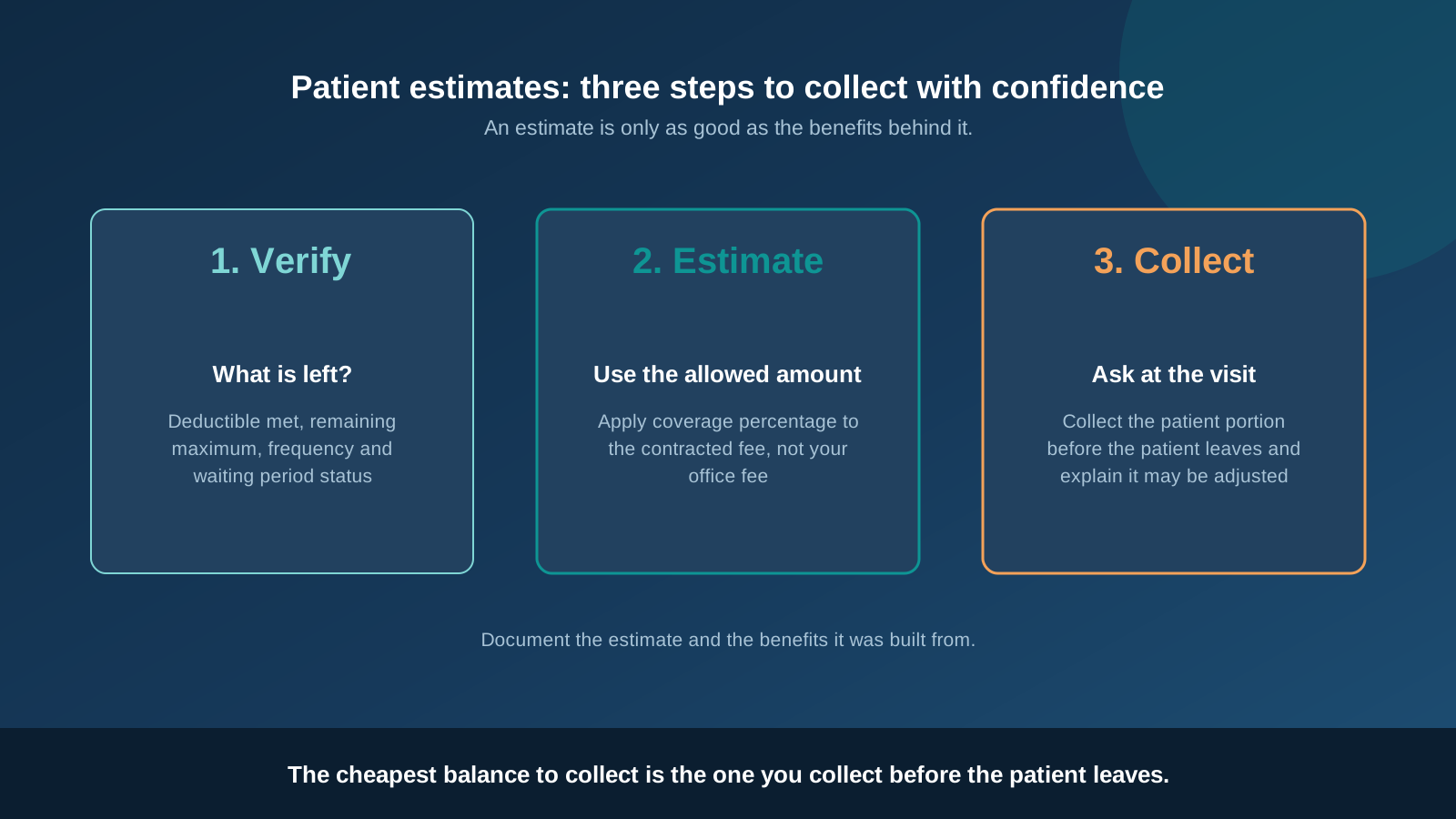
An estimate can only be as accurate as the information behind it. Before building one, confirm the deductible status, the remaining annual maximum, the coverage percentage for the procedure, and any frequency limitations or waiting periods. Late in the year, the remaining maximum matters most, since earlier claims may already have used much of it. Our guide to eligibility verification covers what to check, and for larger treatment plans a predetermination gives you the payer's own figures.
Build the estimate from the allowed amount
For an in-network patient, apply the coverage percentage to the contracted allowed amount, not your office fee. The gap between the two is a contractual write-off and is not the patient's to pay. Then account for the deductible, and cap the insurance portion at what remains of the annual maximum. Watch for plan provisions that lower payment, such as the alternate benefit clause or coordination of benefits with a second plan. Present the result as an estimate, in writing, and note that the final amount depends on how the payer processes the claim.
Collect at the visit and reconcile afterward
Ask for the estimated patient portion before the patient leaves. Patients are far more likely to pay when the care is fresh and the amount was explained in advance, and every statement you avoid saves staff time. Document the benefits you verified, the date, the source, and the estimate you quoted so any difference can be explained later.
When the explanation of benefits arrives, compare it to the estimate during payment posting. If the payer paid less than expected, bill the difference promptly and explain why. If it paid more, refund the overage. Persistent gaps usually point to a verification habit worth fixing, and an aging report will show which balances are lingering.
Frequently asked questions
What is the difference between an estimate and a quote?
An estimate is your best calculation of the patient portion based on verified benefits. Final payment depends on how the payer processes the claim, so label it an estimate rather than a guaranteed amount.
Should I collect the patient portion before or after the claim is paid?
Collect the estimated patient portion at the visit. Collecting later costs more time and is less likely to succeed. If the payer's final determination differs, bill or refund the difference.
Which fee do I use for an in-network estimate?
Use the contracted allowed amount, not your office fee. The difference between the two is a contractual write-off and is not the patient's responsibility.
What can make an estimate wrong?
Common causes include an unmet deductible that was already met, a lower remaining annual maximum than expected, a frequency limitation, a waiting period, or a downgrade to an alternate benefit.
Should I document the estimate?
Yes. Record the benefits you verified, the date, who you spoke to or the portal reference, and the estimate you gave the patient.
Want fewer surprise balances?
Dental Claim Professionals verifies benefits, files clean claims and reconciles payments so your estimates hold up.
Book a Free Consultation