
Implant cases are high-value and spread across several appointments, which makes them easy to get wrong on the insurance side. A plan may exclude implants entirely, pay only an alternate benefit, or apply a missing tooth clause that was never checked. The result is a patient who expected coverage and a claim that comes back denied months after the surgery. The remedy is to settle coverage first, bill each stage correctly and track the payments as the case moves forward.
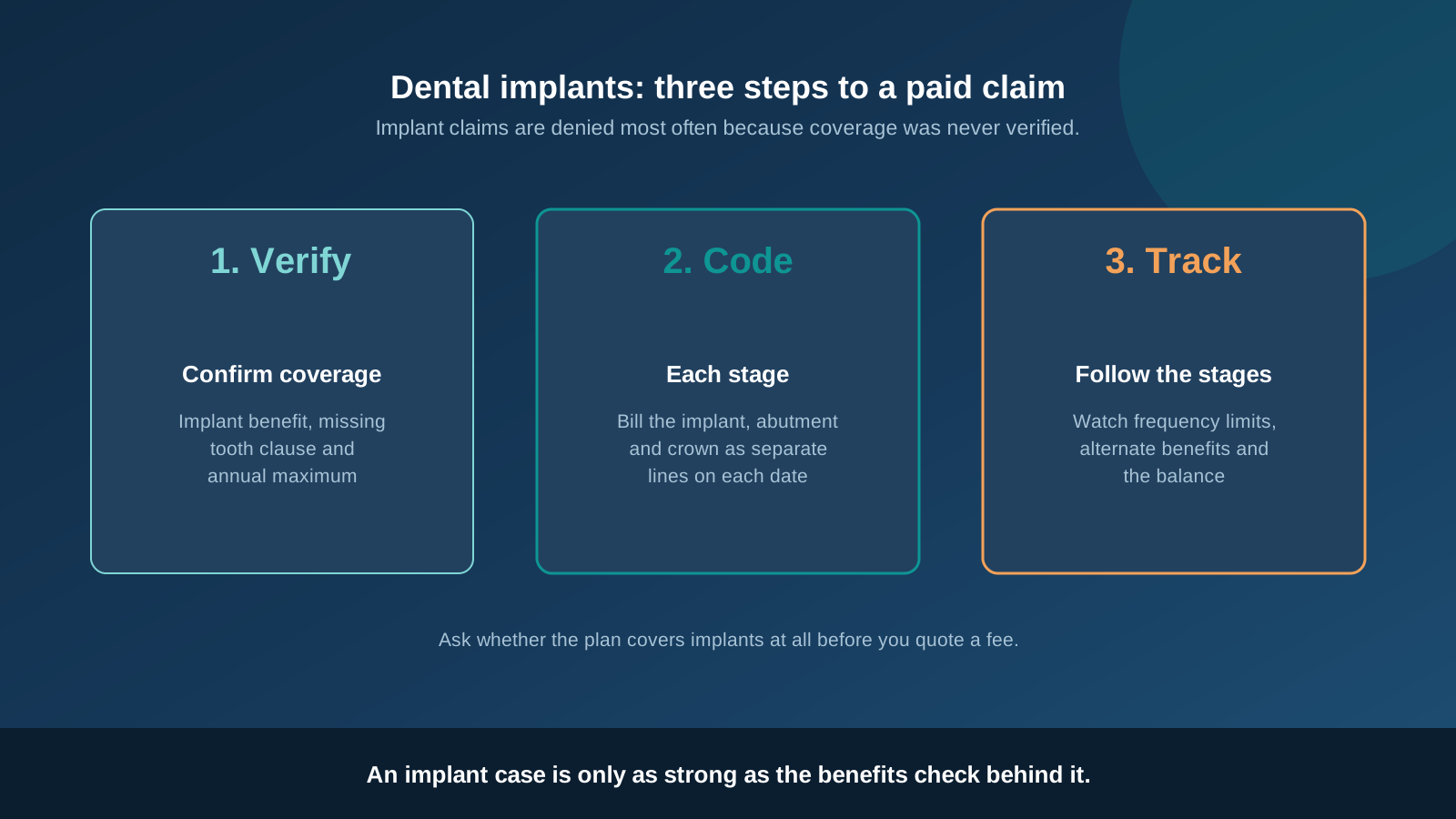
Verify implant coverage before treatment
Do not assume an implant is a covered service. Ask the payer whether implants are covered, at what percentage, and whether the benefit falls under the major services category or a separate implant rider. Confirm the waiting period, the annual maximum remaining and the deductible. Check for a missing tooth clause, since a tooth lost before the effective date may not be replaceable under the plan, and for an alternate benefit clause that pays only the cost of a bridge or partial denture. Where the implant is excluded, the medical plan is sometimes an option after trauma or disease. For large cases, request a predetermination so the answer is in writing.
Code each stage on its own line
An implant case usually includes the surgical placement (D6010), the abutment (D6056 or D6057) and the implant-supported crown (for example D6058 or D6065), and bone grafting or extractions may come before them. Report each procedure with the date it was completed, not the date treatment was planned. Reporting the crown at the surgical appointment is a common cause of denials and later recoupments. Do not combine stages into one line, and avoid patterns that look like unbundling. Send a pre-operative radiograph and a short narrative with the claim, as described in our guide to claim attachments and narratives, so the reviewer can see the clinical need.
Track the case and set patient expectations
Because payments arrive in pieces, a single case can consume the annual maximum before the crown is seated, and treatment that crosses a calendar year may draw on two years of benefits. Build the estimate from verified benefits and the contracted fee, share it in writing and collect the patient portion at each stage. Our article on patient estimates covers the method. After each claim, post the payment and watch the aging report so a staged claim does not slip past the timely filing limit. If a stage is denied despite good records, a prompt appeal with the same documentation usually resolves it.
Implant billing rewards the office that asks questions early. Confirm the benefit, bill each stage on its own date and keep the patient informed, and the largest claims in the practice become some of the most predictable.
Frequently asked questions
Do dental plans cover implants?
Many plans exclude implants or cover them at a reduced level, and some apply an alternate benefit that pays only the cost of a bridge or denture. Verify the implant benefit by code before treatment.
Which codes are billed for an implant case?
Typically the surgical placement (D6010), the abutment (D6056 or D6057) and the implant crown (such as D6058 or D6065), each reported on its own date of service.
Should an implant be billed to medical insurance?
Sometimes. When the implant follows trauma, disease or a congenital condition, the medical plan may pay. See our guide to medical cross-coding.
When do I bill the crown on an implant?
Bill each stage on the date it is completed. Billing the final crown at the surgical date can trigger a denial or recoupment.
Does a predetermination help with implants?
Yes. For high-cost cases it confirms coverage, the alternate benefit and the patient's estimated share before treatment begins.
Want implant claims paid the first time?
Dental Claim Professionals verifies benefits, files complete claims with the right attachments and follows up until they are paid.
Book a Free Consultation